
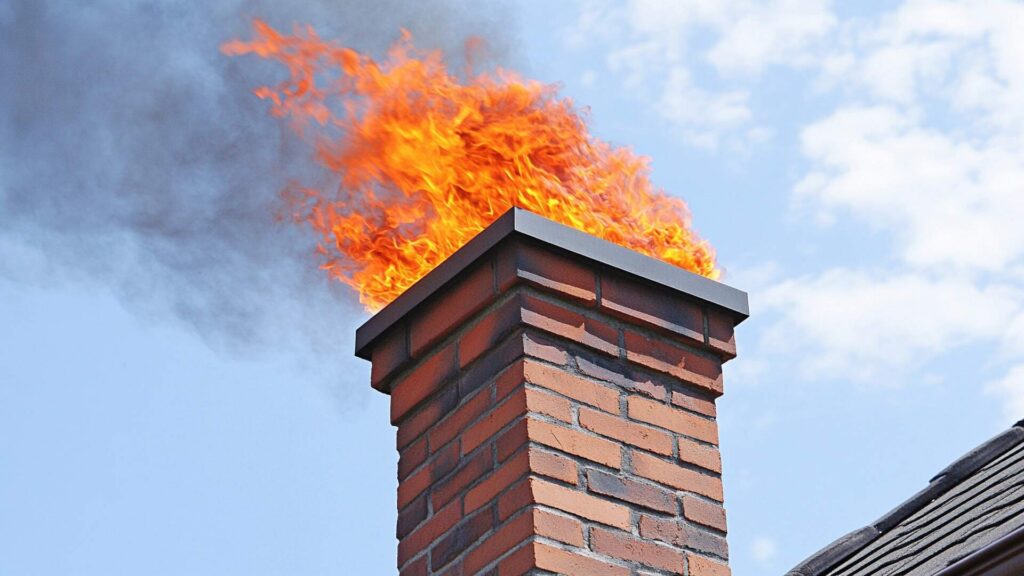
As the days begin to get cooler, many households will soon be lighting their fireplaces, wood burners and multi fuel stoves for the first time in months. Before you do, it’s important to make sure your chimney, fireplace and fire safety measures are ready. A few simple checks before you light your first fire can significantly reduce the risk of chimney fires and carbon monoxide exposure, helping to protect your home and everyone in it.
What Causes Chimney Fires?
Chimney fires are most commonly caused by a build up of soot and creosote, a highly flammable substance that forms when wood or solid fuel burns. Over time, these deposits can ignite, allowing fire to spread rapidly through the chimney. Other common causes include blocked flues, damaged chimney liners, poor appliance maintenance and burning unsuitable fuel. The good news is that many chimney fires can be prevented through regular maintenance and safe burning practices.
Book a Professional Chimney Sweep
Booking a professional chimney sweep before you begin using your fireplace or stove regularly is one of the simplest ways to reduce the risk of a chimney fire. A qualified chimney sweeper will remove soot, creosote and debris that may have built up while your chimney hasn’t been in use. Regular sweeping also helps improve the efficiency of your fireplace or stove, ensuring it operates safely throughout the colder months.
Burn the Right Fuel
The type of fuel you burn has a direct impact on both the efficiency of your appliance and the condition of your chimney.
If you’re using a wood burning stove, choose seasoned or kiln dried logs with a moisture content below 20%. Wet wood creates more smoke, increases creosote build up and reduces the efficiency of your appliance.
Avoid burning:
1. Wet or freshly cut wood
2. Painted or treated timber
3. Household waste
4. Plastics or cardboard
Using the correct fuel helps your appliance burn more cleanly while reducing unnecessary deposits inside your chimney.
Test Your Smoke Alarms
Smoke alarms provide an early warning if a fire starts, giving you valuable time to react and leave your home safely. They’re an essential part of any home’s fire safety strategy, regardless of where a fire starts. Test every smoke alarm at least once a month and replace batteries where required. If your alarms have reached the end of their recommended lifespan, replace the units to ensure they continue providing reliable protection.
Test Your Carbon Monoxide Alarm
Open fires, wood burners and multi fuel stoves can all produce carbon monoxide if they aren’t operating correctly. Because carbon monoxide is colourless, odourless and impossible to detect without an alarm, a working carbon monoxide alarm should be installed near fuel burning appliances in accordance with the manufacturer’s guidance. Test your alarm regularly to make sure it’s working correctly.
Inspect Your Chimney and Fireplace
Before lighting your first fire, carry out a visual inspection of your chimney and fireplace:
Look for signs of:
1. Cracked brickwork
2. Loose chimney pots
3. Blocked flues
4. Bird nests or debris
5. Excessive soot build up
If you notice any damage or blockages, have them inspected by a qualified professional before using your fireplace or stove.
Keep Flammable Items Away from Your Fireplace
Furniture, curtains, decorations, newspapers and stored logs should always be kept a safe distance from open fires and wood burning stoves.
If you have children or pets, consider using a fire guard to provide an additional layer of protection.
Have a Fire Escape Plan
While preventing a fire is always the priority, it’s important to know what to do if one does occur.
Make sure everyone in your household knows:
- The quickest way to leave the property
- Where to meet once outside
- To call 999 from a safe location
- Never to re-enter a burning building
Reviewing your escape plan regularly can help everyone respond quickly in an emergency.
Chimney Fire Safety Checklist
Before lighting your first fire, make sure you:
- Arrange a professional chimney sweep
- Burn only suitable fuel
- Test all smoke alarms
- Check your carbon monoxide alarm
- Inspect your chimney and fireplace
- Keep flammable materials away from open fires
- Make sure everyone knows your fire escape plan
Frequently Asked Questions
How often should a chimney be swept?
The frequency depends on the type of fuel you burn and how often you use your fireplace or stove. If you’re unsure, speak to a qualified chimney sweep who can recommend a suitable maintenance schedule.
What causes chimney fires?
Most chimney fires are caused by a build up of creosote, blocked flues or burning unsuitable fuel. Regular chimney maintenance can significantly reduce the risk.
Do I need a carbon monoxide alarm if I have a wood burner?
Yes. Any appliance that burns solid fuel can produce carbon monoxide if it isn’t operating correctly. A carbon monoxide alarm provides an early warning and should be installed in accordance with the manufacturer’s instructions.
Protect Your Home This Chimney Fire Safety Week
Taking the time to prepare your chimney before you light your first fire can significantly reduce the risk of fire and carbon monoxide exposure. Alongside regular chimney maintenance, working smoke alarms and carbon monoxide alarms provide an additional layer of protection for your home and family.
Explore Hispec’s range of smoke alarms, heat alarms and carbon monoxide alarms to help keep your home protected all year round.